The Reel Was Never Cheap: Why 1960s–80s Turkish Genre Cinema Belongs in Your 2026 Queue
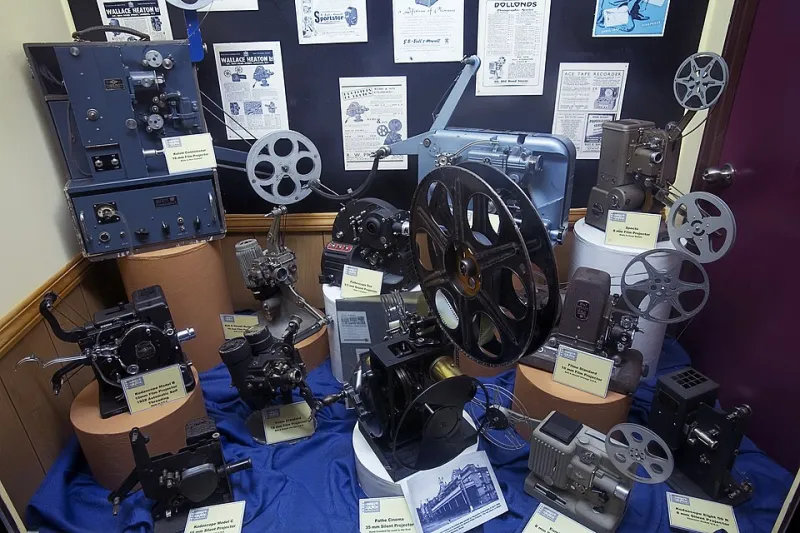
Photo: Jorge Royan, CC BY-SA 3.0, via Wikimedia Commons
There is a lazy way to talk about old Turkish genre films: as lovable junk, midnight curios, so-bad-it-is-good fodder for people who like to feel superior to the past. That take is not just unkind. It is boring. The crime pictures, fantasy adventures, and melodramas that Turkish studios turned out from the 1960s through the 1980s are some of the most inventive popular cinema of their era, made under impossible schedules and with a resourcefulness that modern franchise filmmaking has mostly forgotten.
In 2026, US viewers have more access to this history than ever. Restorations are showing up on boutique streaming services, rental storefronts, and festival-driven digital releases. But access is not the same as context. A great film can look terrible in the wrong transfer, and a mediocre one can look almost respectable when the scan is careful. This is an opinionated guide to why these movies matter and how to watch them without getting fooled by a bad encode.
Why the old stuff still matters
Turkish genre cinema of this period was populist by design. These were not polite art films waiting for a museum retrospective. They were made for neighborhood theaters, for audiences who wanted romance, revenge, monsters, and moral clarity before the last bus home. Directors often shot at speed, reused sets, lifted footage, and invented solutions on the spot. The result is a body of work that feels wildly free: a crime movie can turn into a musical, a fantasy can borrow from Hollywood, and a family melodrama can carry a sharp political charge without ever announcing itself.
That freedom is the through-line to modern Turkish cinema. The best contemporary Turkish filmmakers still mix tones and borrow shamelessly from global pop culture while staying rooted in local speech and local frustration. When you watch a 1970s adventure film cut corners with visible joy, you are watching the ancestors of today's genre-hopping Turkish directors.
A handful worth seeking out
Availability in the US shifts constantly, so check MUBI, the Criterion Channel, Amazon Prime, and major rental stores before you commit. Several of these titles also circulate through restored theatrical runs and boutique digital releases, which is usually the best-case scenario.
Dünyayı Kurtaran Adam (1982)
The Man Who Saves the World is the famous one: a sci-fi fantasy that grabs footage from Star Wars, throws in Turkish folk heroics, and somehow becomes its own thing. It is easy to mock, but watch it with an open mind and you will see pure improvisational energy. Quality varies wildly across copies, so look for a version with restoration notes rather than a random upload.
Tarkan vs. the Vikings (1971)
A comic-book adventure with a shirtless hero, a Viking villain, and a lot of swordplay, this is the kind of film that explains why Turkish fantasy cinema has such a devoted cult following. The best HD versions preserve the comic-book color palette without turning skin tones into orange paste.
Kilink Istanbul'da (1967)
A masked crime serial with a villain who feels like a cousin of Fantomas and Batman, Kilink is a great entry point for the crime side of the era. It is fast, pulpy, and full of the kind of practical stunts that make modern green-screen action look timid.
Yol (1982)
Not a genre picture in the strict sense, but essential context. Yol is the serious, internationally celebrated side of the same film culture: a road movie about prisoners on leave, made with enormous empathy and a clear eye for landscape. It is also one of the titles most likely to have a reliable US HD release through the Criterion Channel or a rental storefront.
Umut (1970)
A neorealist-leaning drama about a poor cart driver chasing a impossible dream, Umut is the film to watch when someone claims old Turkish cinema was only cheap entertainment. It is patient, humane, and quietly devastating.
How to tell a real restoration from a flat transfer
This is where viewers get burned. A film can be technically in HD and still look worse than a good DVD. Here is a practical checklist.
Check the aspect ratio first
A thoughtful restoration respects the original framing. If faces look stretched, or the image is squeezed into a modern widescreen shape, walk away. Letterboxing is fine. Stretching is not.
Look at the grain
Film grain should move. If the image looks waxy, frozen, or smeared, the transfer has probably been over-processed with digital noise reduction. Old film can be clean without looking like plastic.
Watch the shadows
Good restorations keep detail in dark scenes. Bad ones crush blacks into a flat black puddle or blow out highlights until faces lose all texture. This matters especially for night scenes and low-budget interiors.
Listen to the audio
Original mono sound is not a flaw. A restoration should preserve the character of the original track without aggressive noise removal that makes dialogue sound like it is coming through a paper cup. If the music is hissy but the dialogue is clear, that is often a better sign than a silent, scrubbed soundtrack.
Read the subtitles
A proper restoration includes subtitles translated from Turkish, not captions copied from an English dub. If the text feels stiff, incomplete, or out of sync, the release was probably assembled quickly.
Look for source notes
Restoration credits, scan details, and lab notes are not marketing fluff. They tell you whether someone actually went back to the negative or an archival print, or whether a company simply upscaled an old video master.
The old Turkish genre canon is not a curiosity cabinet. It is a living part of cinema history, and it deserves better than a blurry upload and a ironic caption. In 2026, the tools are there to watch these films properly. Use them.